





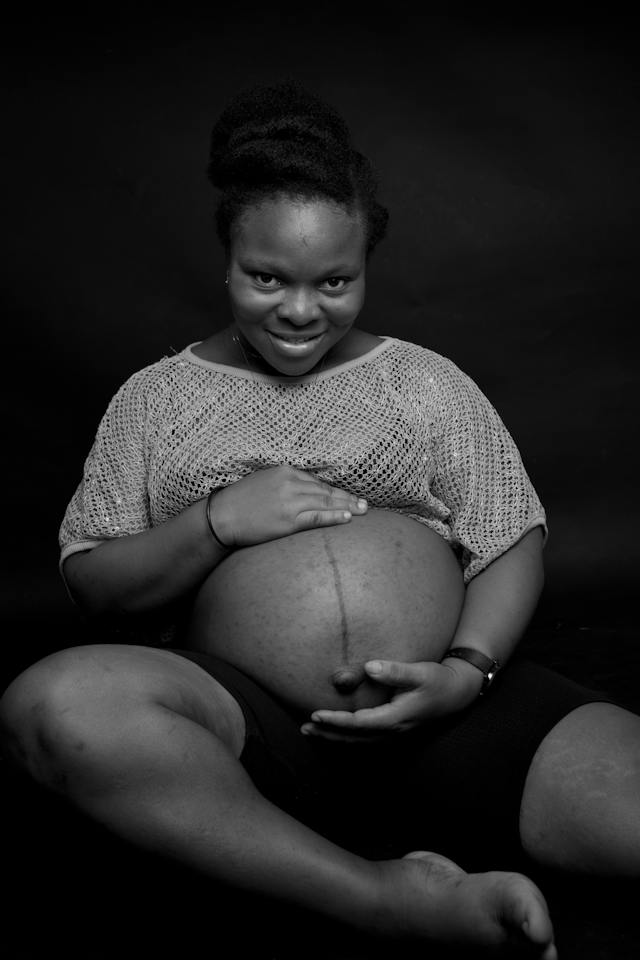
The Health Department is urging expectant mothers to seek early antenatal care and adopt a healthy lifestyle by avoiding smoking, alcohol, and illegal drugs during pregnancy to mitigate the risk of preterm labor, a leading cause of death in children under five. November, recognized as World Prematurity Month, serves as a global initiative to raise awareness about premature birth and its profound impact on families.
In collaboration with stakeholders, the department is hosting a hybrid event to reinforce ongoing efforts to reduce preventable preterm births, ensuring full-term pregnancies and healthy infants. Globally, approximately 15 million, or one in 10 babies, are born preterm each year, with South Africa experiencing an annual average of 15% or one in seven births being premature.
Statistics reveal that around 84,000 preterm infants are born in South Africa annually, with 10% facing elevated risks of complications, including respiratory, neurological, and eye issues compared to full-term infants. Preterm births are defined as those occurring before 37 weeks of completed pregnancy, with sub-categories including extreme cases (less than 28 weeks) and very pre-term cases (28 to less than 32 weeks).
The department emphasizes the importance of regular antenatal care visits for monitoring and early detection of manageable and life-threatening complications such as pre-eclampsia, urinary tract infections, and gestational diabetes. South Africa ranks 24th globally for newborn deaths due to complications from preterm birth.
To address these challenges, the department, in collaboration with various stakeholders, has implemented strategies and interventions, including the MomConnect cellphone-based technology and the Side-by-Side radio campaign, reaching millions weekly. Recommendations from the Saving Mothers and Babies reports guide the management of conditions like hypertensive disorders and infections, aiming to enhance the Integrated Management of Childhood Illnesses services.
While there has been a decline in under-five and infant mortality rates, from 74.7 and 55.2 per 1,000 live births in 2002 to 30.7 and 24.3 in 2022, respectively, the department emphasizes the ongoing need for efforts to ensure children reach their full potential in the country. Additionally, a commitment to exclusive breastfeeding for all mothers, including those living with HIV, has been declared, encouraging breastfeeding for at least 24 months.